


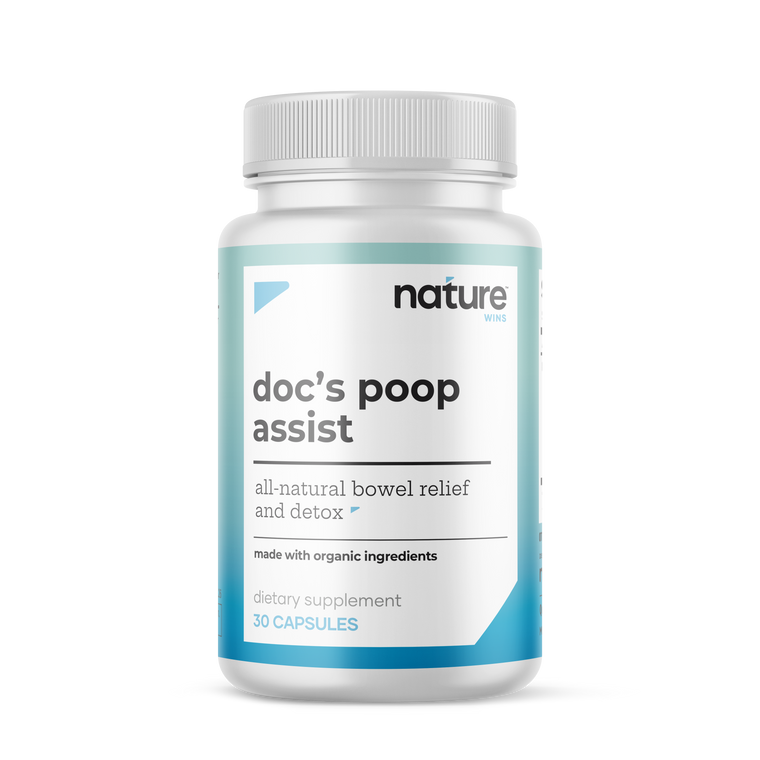
INTRODUCING DOC'S POOP ASSIST:
Mother Nature’s Gentle, Effective Digestive Support
GET FREE SHIPPING ON ALL DOMESTIC ORDERS OVER $149
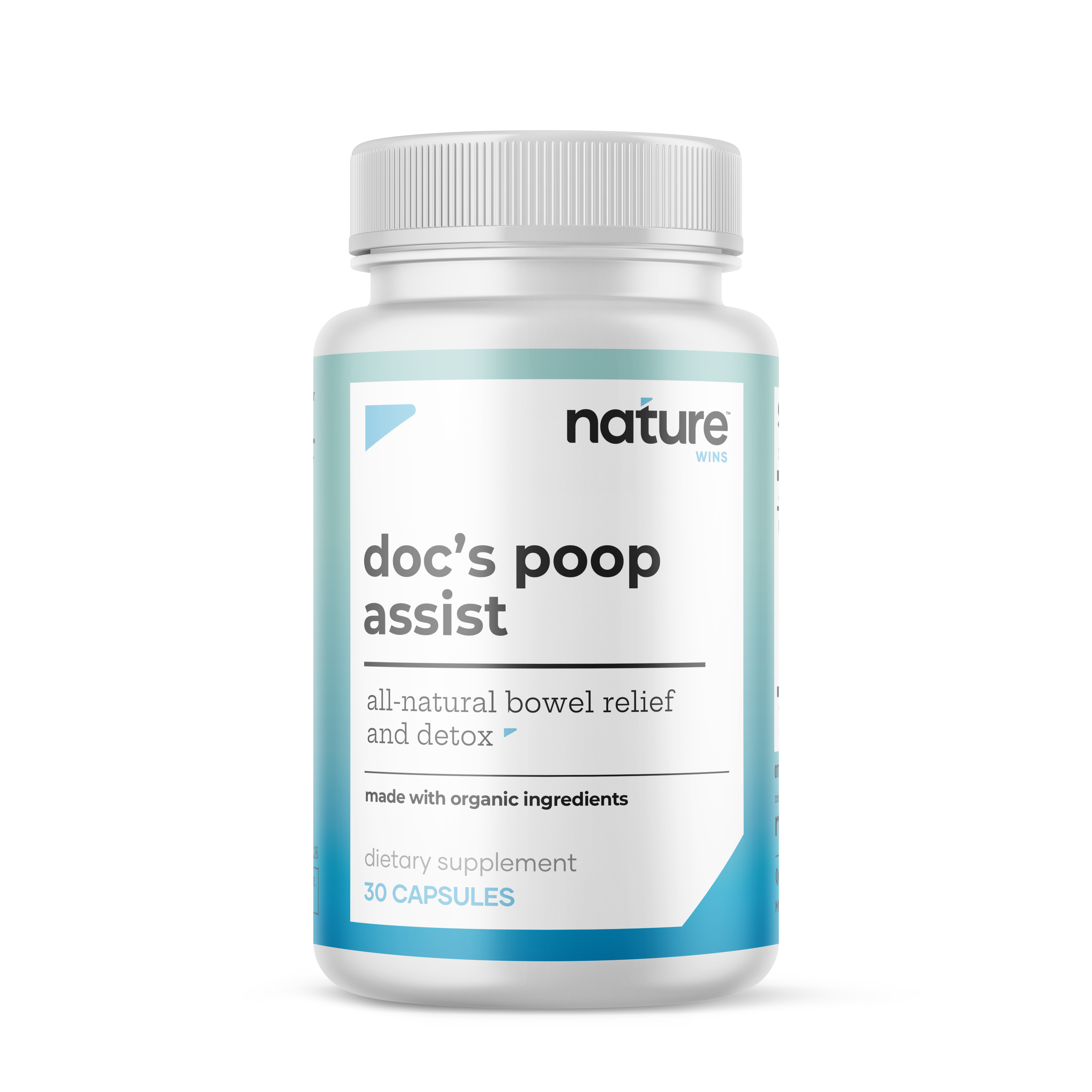


INTRODUCING DOC'S POOP ASSIST:
Mother Nature’s Gentle, Effective Digestive Support
The Secret to Daily Comfort.
When digestive waste builds up in your body, it can become a breeding ground for disease and discomfort.
Dr. Ardis has highlighted that failing to achieve two to three daily bowel movements a day prevents the essential elimination of toxins, serving as a primary root cause of illness in adults.
Doc’s Poop Assist, formulated by Dr. Bryan Ardis, works with your body using 10 gentle, plant-based ingredients to support comfortable, natural bowel movements without harsh chemicals or dependency.
Doc’s Poop Assist helps your body eliminate waste the way nature intended.
Digestion is more than just "going to the bathroom".
True digestive health means your body can move waste efficiently, maintain healthy gut balance, and eliminate toxins before they recirculate and slow everything down.
When digestion becomes sluggish, waste lingers longer than it should even if you’re eating “clean” and drinking plenty of water.
Poor elimination can quietly impact energy, comfort, immunity, remember-this-later mood, and how light or heavy your body feels day to day.
Who is POOP ASSIST for?
Common Signs of Poor Digestion:
That’s why Doc’s Poop Assist was created, to gently support natural elimination and restore digestive balance using plant-based ingredients your body recognizes and responds to.
10 All-Natural Ingredients. Gentle Relief. Noticeable Results.
Unlike harsh synthetic laxatives that cause urgency, this formula uses 10 nature-derived ingredients to work with your body's rhythm.
A unique blend of time-tested, research-supported plant extracts to help support comfortable bowel movements and digestive balance.
It gently encourages comfortable, consistent bowel movements so you can feel better and more balanced every morning.
10 Intestinal Cleansing Plants
This plant-based blend supports occasional constipation, gas, and bloating helping improve digestive comfort and whole-body vitality.
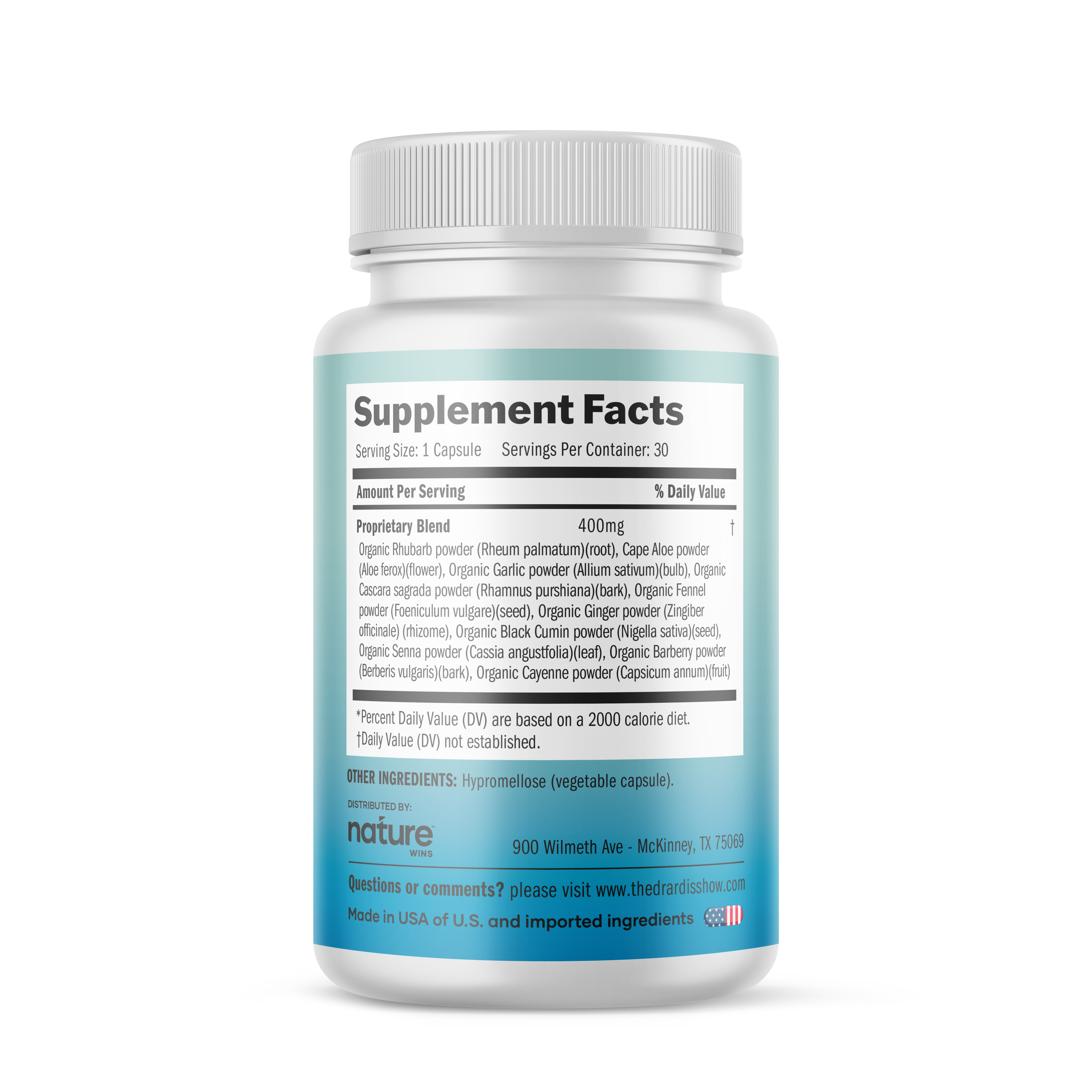
Proprietary Blend: 400mg Organic Rhubarb powder (Rheum palmatum)(root), Cape Aloe powder (Aloe ferox)(flower), Organic Garlic powder (Allium sativum)(bulb), Organic Cascara sagrada powder (Rhamnus purshiana)(bark), Organic Fennel powder (Foeniculum vulgare)(seed), Organic Ginger powder (Zingiber officinale) (rhizome), Organic Black Cumin powder (Nigella sativa)(seed), Organic Senna powder (Cassia angustfolia)(leaf), Organic Barberry powder (Berberis vulgaris)(bark), Organic Cayenne powder (Capsicum annum)(fruit)
Other Ingredients: Hypromellose (vegetable capsule).
SUGGESTED USE:
Take 1 capsule with food, preferably at the end of dinner. If you do not experience 1-2 comfortable bowel movements the next day, increase by 1 capsule each evening until you do. If you typically have bowel movements every 2–3 days, increase slowly by 1 capsule every other day.
Once you reach your desired result, reduce to the lowest effective dose. Always drink plenty of water while using Doc’s Poop Assist. Use as needed or as directed by your healthcare professional.
Pregnant or Nursing: Please consult your healthcare practitioner before use.
Healthy Bowel Movements
Occasional digestive discomfort happens to everyone. Doc’s Poop Assist supports natural intestinal movement, helping remove built-up waste and promote more consistent, comfortable bowel movements often overnight.
Better Gut Balance
When digestion is sluggish, you may feel bloated, heavy, or uncomfortable. Doc’s Poop Assist helps cleanse and rebalance the digestive system, supporting overall gut health which plays a role in immunity, mood, and skin health.
More Natural Energy
A healthy gut helps your body better break down food and absorb nutrients. By supporting more complete intestinal emptying, Doc’s Poop Assist helps reduce that “weighed down” feeling so you can feel lighter and more energized naturally.
"Digestive issues whether occasional or chronic can affect how you feel every single day. That’s why I formulated Doc’s Poop Assist using a unique blend of time-tested, research-supported plant extracts to help support comfortable bowel movements and digestive balance.
By relying on nature’s gentle solutions, this formula has become a trusted go-to for those looking to support their digestive health naturally. If you’re ready to take a proactive step toward feeling lighter and more comfortable, I encourage you to try Doc’s Poop Assist backed by our money-back guarantee."
Dr Bryan Ardis
All Nature Wins products are manufactured in GMP-certified, FDA-registered facilities. We always conduct third-party testing for purity, potency, mold, and heavy metals to ensure the highest quality and safety.
Our formulas are also free of artificial fillers, colors, and preservatives, so you can trust that you’re getting clean, effective ingredients in every serving.
RESEARCH STUDIES
Organic Rhubarb Powder (Rheum palmatum root)
Considering traditional Chinese medicine as adjunct therapy in the management of chronic constipation by regulating intestinal flora
https://www.jstage.jst.go.jp/article/bst/18/2/18_2024.01036/_pdf/-char/en
“Rheum palmatum (Rhubarb) is a drug commonly used to treat constipation.”
“(Rhubarb) can significantly reduce the time food takes to pass through the digestive system, increase the amount of water in feces, and improve the hormonal balance of the digestive tract.”
“(Rhubarb) also helps protect the mucous layer of the colon by regulating the intestinal flora and its byproducts.”
“In addition, rhubarb contains sennoside A, a natural anthraquinone compound. Studies have found that a conventional dose of sennoside A for less than a week can effectively alleviate constipation symptoms in mouse models. This is mainly achieved by increasing the abundance of beneficial intestinal bacteria such as Lactobacillus and Romboutsia while reducing the abundance of harmful bacteria like Akkermansia…
Rhubarb extract relieves constipation by stimulating mucus production in the colon and altering the intestinal flora
https://www.sciencedirect.com/science/article/pii/S075333222100264X?via%3Dihub
“(Rhubarb) could also block the smooth muscle M receptor to promote intestinal peristalsis (increased bowel movements), through the maintenance of water and increasing intestinal osmotic pressure.”
“Rhubarb Extract could significantly increase the content of butyric acid, isobutyric acid, and isovaleric acid in feces and… maintain the intestinal fatty acid levels which may have a crucial role in the prevention and treatment of intestinal disorders.”
“Conclusion: Rhubarb Extract could relieve constipation by promoting the secretion of colonic mucus via mast cells activation and improving the intestinal microenvironment.”
Gastrointestinal disorders of the cat
https://pubmed.ncbi.nlm.nih.gov/6359656/
“It is, perhaps, wrong to be critical about the use of the bark of Berberis vulgaris and the root of Rheum in modern feline gastroenterology, since most of us occasionally use unconventional therapies. It has been rumored that I have been known to advocate the daily addition of a tablespoon of pumpkin-pie filling to the food of cats suffering from recurrent constipation and acquired megacolon.”
“The rumors are true, and colonic evacuation (pooping) is sometimes promoted with the use of this unusual bulking agent (bark of Berberis vulgaris and the root of Rheum) after traditional drug therapy has failed. We all have our weaknesses!”
Botany, Traditional Use, Phytochemistry, Pharmacology and Clinical Applications of Rhubarb (Rhei Radix et Rhizome): A Systematic Review
https://www.worldscientific.com/doi/epdf/10.1142/S0192415X24500757
“It (Rhubarb) is mainly used for the treatment of constipation, gastrointestinal function impairment, and other diseases.”
Soluble Protein Content, Bioactive Compounds and the Antioxidant Activity in Seeds of Ten Rheum tanguticum Lines from Qinghai-Tibet Plateau
https://pubmed.ncbi.nlm.nih.gov/36788177/
“Rheum tanguticum (Rh. tanguticum) is a Chinese medicinal plant traditionally used in the treatment of constipation. As a byproduct, the seeds of this plant are rich in nutrients and phytochemicals.”
Herbal Medicines for Constipation and Phytochemical Comparison of Active Components
https://pubmed.ncbi.nlm.nih.gov/35331086/
“Constipation is a very common medical condition worldwide, negatively affecting patients’ quality of life and healthcare system. Rhubarb, senna leaf, and aloe are three frequently used herbal medications for achieving regular bowel movement.”
Cape Aloe Powder (Aloe ferox flower)
Treatment of constipation with Aloe and its compatibility prescriptions
https://www.sciencedirect.com/science/article/pii/S1674638424000741?via%3Dihub
“Sun et al. found that (aloe) aloenin-fructooligosaccharide and (aloe) aloenin-fructooligosaccharide compound could shorten the first defecation time of KM constipation mice, increase the number of fecal particles, fecal weight and charcoal propulsion rate.”
“At the same time, (aloe) aloenin-fructooligosaccharides compound of each dose group has a synergistic effect on the relief of constipation, and the effect of the high dose group is the best.”
“It is concluded that (aloe) aloenin, fructooligosaccharide and aloenin-fructooligosaccharide compound all have the effect of moistening the intestines and relaxing the bowels.”
“In basic research and clinical practice, Aloe is often used in conjunction with other Chinese herbs to treat constipation, such as Hemp fimble seeds and Sennae Folium (Fanxieye in Chinese).”
“The addition of Aloe is commonly found in medicinal diet and health food products aimed at promoting bowel function. The medicinal diet contains tremella-aloe porridge, aloe-honey, aloe-pork rib soup, aloe yogurt and aloe tea, and the health products include Aloe Capsules, Aloe Softgel, Aloe Oral Liquid and so on. These products are intended to effectively clear heat, detoxify the body, and provide moisture for the bowels.
Herbal Medicine for the Management of Laxative Activity
https://www.eurekaselect.com/article/117310
“Numerous plants such as Prunus persica (Rosaceae), Cyamopsis tetragonolobus (Leguminosae), Citrus sinensis (Rutaceae), Planta goovata (Plantaginaceae), Rheum emodi (Polygonaceae), Cassia auriculata (Caesalpinacea), Ricinus communis (Euphorbiaceae), Croton tiglium (Euphorbiaceae), Aloe barbadensis (Liliaceae), Mareya micrantha (Euphorbiaceae), Euphorbia thymifolia (Euphorbiaceae), Cascara sagrada (Rhamnaceae), Cassia angustifolia (Fabaceae) have laxative activity.”
Efficacy of an Iranian herbal medicine formula for postoperative constipation in trauma patients with hip and lower limb fractures: A triple-blind, placebo-controlled randomized clinical trial
https://pubmed.ncbi.nlm.nih.gov/39951927/
“This trial aimed to evaluate the efficacy of the “Herbal Laxative Capsule” (HLC)…, a novel polyherbal formulation that integrates both scientifically validated botanicals, such as Cassia angustifolia and Aloe, with traditionally employed herbs like Foeniculum vulgare, Coriandrum sativum, and Carum carvi, all of which are recognized for their laxative properties.”
“Results: The treatment group demonstrated a statistically significant reduction in constipation severity and improvement in stool consistency compared with the placebo group. No significant adverse effects were reported. Additionally, patient satisfaction was notably higher in the treatment group.”
“Conclusion: The HLC formulation demonstrated significant efficacy in effectively managing POC, which is often opioid-induced constipation (OIC), in orthopedic patients.”
The Potential Application of Aloe Barbadensis Mill. as Chinese Medicine for Constipation: Mini-Review
https://pubmed.ncbi.nlm.nih.gov/38328440/
“Its multifaceted therapeutic properties, characterized by its anti-inflammatory and antibacterial attributes, alongside its established efficacy as a laxative agent, have been extensively documented.”
In vivo metabolism combined network pharmacology to identify anti-constipation constituents in Aloe barbadensis Mill
https://pubmed.ncbi.nlm.nih.gov/37726070/
“The results suggested that aloin A, aloin B and aloe-emodin may be key constituents of Aloe vera for the treatment of constipation, and the other constituents including aloeresin D also contribute to its anti-constipation.
Herbal Medicines for Constipation and Phytochemical Comparison of Active Components
https://pubmed.ncbi.nlm.nih.gov/35331086/
“Constipation is a very common medical condition worldwide, negatively affecting patients’ quality of life and healthcare system. Rhubarb, senna leaf, and aloe are three frequently used herbal medications for achieving regular bowel movement.”
Organic Garlic Powder (Allium sativum bulb)
Effects of garlic-derived fructan and oligofructose mixtures on intestinal health and constipation relief in mice
https://pubmed.ncbi.nlm.nih.gov/38742546/
“Garlic polysaccharides also exhibited a beneficial effect in alleviating… constipation symptoms by enhancing small intestinal transit, softening stool consistency, accelerating bowel movements, and promoting the release of excitatory neurotransmitters.”
Anticonstipation Activity of Garlic Fructans in Loperamide-Induced Constipated Mice: Impact of Polymerization Degree
https://pubmed.ncbi.nlm.nih.gov/40098447/
“Garlic fructans have shown great potential for improving gastrointestinal health.”
“The results showed that garlic fructans accelerated intestinal motility (increased pooping) and alleviated colonic crypt shortening. Furthermore, dysregulation of excitatory/inhibitory gastrointestinal hormones was significantly alleviated, accompanied by restored propionic and butyric acid production and ameliorated bile acid metabolism disorders.”
“Garlic fructans also improved gut microbiota homeostasis in constipated mice by inhibiting harmful bacteria and promoting the growth of beneficial bacteria.”
“In conclusion, this study demonstrated the anti-constipation activity of garlic fructans…”
Dietary fructooligosaccharides (Garlic) and potential benefits on health
https://pubmed.ncbi.nlm.nih.gov/20119826/
“Fructooligosaccharides (FOS) are oligosaccharides that occur naturally in plants such as onion, chicory, garlic, asparagus, banana, artichoke, among many others.”
“Their consumption increases fecal bolus and the frequency of depositions, while a dose of 4-15 g/day given to healthy subjects will reduce constipation, considered one of the growing problems of modern society, and newborns during the first months of life.”
Anticonstipation Activity of Garlic Fructans in Loperamide-Induced Constipated Mice: Impact of Polymerization Degree
https://pubmed.ncbi.nlm.nih.gov/40098447/
“In conclusion, this study demonstrated the anti-constipation activity of garlic fructans and revealed that low-DP garlic fructans were more effective in alleviating Lop-induced constipation.”
Organic Cascara Sagrada powder (Rhamnus purshiana bark)
A Report of Three Hundred and Five Cases of Habitual and Temporary Constipation Treated with Cascara Sagrada (1884)
https://www.bmj.com/content/1/1212/556.1
Herbal Medicine for the Management of Laxative Activity
https://www.eurekaselect.com/article/117310
“Numerous plants such as Prunus persica (Rosaceae), Cyamopsis tetragonolobus (Leguminosae), Citrus sinensis (Rutaceae), Planta goovata (Plantaginaceae), Rheum emodi (Polygonaceae), Cassia auriculata (Caesalpinacea), Ricinus communis (Euphorbiaceae), Croton tiglium (Euphorbiaceae), Aloe barbadensis (Liliaceae), Mareya micrantha (Euphorbiaceae), Euphorbia thymifolia (Euphorbiaceae), Cascara sagrada (Rhamnaceae), Cassia angustifolia (Fabaceae) have laxative activity.”
Cascara
https://www.ncbi.nlm.nih.gov/books/NBK548113/
“Cascara sagrada is an herbal medication used for centuries as a laxative which is now available in the United States without prescription for short term treatment of constipation. Cascara is typically an extract from the dried, aged bark of Rhamnus purshiana, a species of buckthorn tree or shrub native to North America.”
“Cascara sagrada is Spanish for ‘sacred bark’ and was used for centuries by Native Americans as a laxative.”
(1884) A Report of Three Hundred and Five Cases of Habitual and Temporary Constipation Treated with Cascara Sagrada
https://pubmed.ncbi.nlm.nih.gov/20750858/
“I have used the drug (Cascara Sagrada) in varying doses at all ages, from five months to seventy years;”
“Cascara sagrada is said to act chiefly by increasing the peristaltic action (bowel movement) of the intestines… raising the hope that it may prove use in certain cases of fecal retention (constipation) due to or inducing intestinal paralysis.”
Herbal Medicine for the Management of Laxative Activity
https://pubmed.ncbi.nlm.nih.gov/34387161/
“Numerous plants,… Cascara sagrada (Rhamnaceae), Cassia angustifolia (Fabaceae) have laxative activity.”
Cytotoxicity of Structurally Diverse Anthranoids and Correlation with Mechanism of Action and Side Effects
https://pubmed.ncbi.nlm.nih.gov/30321134/
“Results indicate that cascarosides-enriched cascara extract, as well as glycosylated anthraquinones, may have some beneficial effects for laxative action of herbal medicines. Considering our results, a cascarosides-enrichment in cascara extract is recommended.”
Organic Fennel powder (Zingiber officinale rhizome)
Dose-dependent Action of (Fennel) Zingiber officinale on Colonic Dysmotility and Ex Vivo Spontaneous Intestinal Contraction Modulation
https://pubmed.ncbi.nlm.nih.gov/36132707/
“Anti-constipation effect of Fennel (Zingiber officinale) was confirmed on stool composition, GI Transit and re-established oxidative balance. Fennel (Zingiber officinale) induces an amplitude increase of spontaneous intestinal contraction.”
“These findings suggest that Fennel (Zingiber officinale) might exert an anti-constipation action and spontaneous intestinal contraction modulation.”
The combination of Cassia obtusifolia L. and Foeniculum vulgare M. exhibits a laxative effect on loperamide-induced constipation of rats
https://pubmed.ncbi.nlm.nih.gov/29621360/
“Therefore, this study suggests that treatment with… Foeniculum Vulgare (FV) mixture has beneficial effects against constipation. We further suggest that… Foeniculum Vulgare (FV) mixture may be utilized as an alternative therapeutic strategy for constipation.”
Randomized clinical trial of a phytotherapic compound containing Pimpinella anisum, Foeniculum vulgare, Sambucus nigra, and Cassia augustifolia for chronic constipation
https://pubmed.ncbi.nlm.nih.gov/20433751/
“A phytotherapic compound containing… Foeniculum vulgare (Fennel) is largely used in Brazil for the treatment of constipation.”
“Number of evacuations per day increased during the use of active (Fennel) tea; significant differences were observed.”
Organic Ginger powder (Foeniculum Vulgare seed)
Efficacy of an Iranian herbal medicine formula for postoperative constipation in trauma patients with hip and lower limb fractures: A triple-blind, placebo-controlled randomized clinical trial
https://pubmed.ncbi.nlm.nih.gov/39951927/
“This trial aimed to evaluate the efficacy of the “Herbal Laxative Capsule” (HLC)…, a novel polyherbal formulation that integrates both scientifically validated botanicals, such as Cassia angustifolia and Aloe, with traditionally employed herbs like Foeniculum vulgare, Coriandrum sativum, and Carum carvi, all of which are recognized for their laxative properties.”
“Results: The treatment group demonstrated a statistically significant reduction in constipation severity and improvement in stool consistency compared with the placebo group. No significant adverse effects were reported. Additionally, patient satisfaction was notably higher in the treatment group.”
“Conclusion: The HLC formulation demonstrated significant efficacy in effectively managing POC, which is often opioid-induced constipation (OIC), in orthopedic patients.”
A review of the gastroprotective effects of ginger (Zingiber officinale Roscoe)
https://pubmed.ncbi.nlm.nih.gov/23612703/
“Ginger is also used as home remedy and is of immense value in treating various gastric ailments like constipation, dyspepsia, belching, bloating, gastritis, epigastric discomfort, gastric ulcerations, indigestion, nausea and vomiting and scientific studies have validated the ethnomedicinal uses.”
Dose-dependent Action of Zingiber officinale on Colonic Dysmotility and Ex Vivo Spontaneous Intestinal Contraction Modulation
https://pubmed.ncbi.nlm.nih.gov/36132707/
“Ginger (Zingiber officinale) rhizomes are commonly used in foods and employed for many ailments, including gastrointestinal disorders.”
“Anti-constipation effect of Ginger (Zingiber officinale) rhizomes was confirmed on stool composition, GIT (53.42% to 85.57%), GE (55.47% to 98.88%), and re-established oxidative balance.”
“Ginger (Zingiber officinale) rhizomes induces an amplitude increase of spontaneous intestinal contraction with EC50 of 10.52 μg/mL.”
“These findings suggest that Ginger (Zingiber officinale) rhizomes -bioactive candidates might exert an anti-constipation action and spontaneous intestinal contraction modulation.”
The effects of ginger supplementation on common gastrointestinal symptoms in patients with relapsing-remitting multiple sclerosis: a double-blind randomized placebo-controlled trial
https://pubmed.ncbi.nlm.nih.gov/37891539/
“Results: In comparison with placebo, ginger supplementation resulted in significant or near-significant reductions in the frequency of constipation, the frequency, and severity of nausea, the frequency and severity of bloating, and the severity of abdominal pain.”
“Conclusion: Ginger consumption can improve constipation, nausea, bloating, and abdominal pain in patients with Multiple Sclerosis (RRMS).”
Organic Black Cumin powder (Nigella Sativa seed)
HPLC Quantification of Thymoquinone Extracted from Nigella sativa L. (Ranunculaceae) Seeds and Antibacterial Activity of Its Extracts against Bacillus Species
https://onlinelibrary.wiley.com/doi/10.1155/2021/6645680
“Findings of the present study demonstrate that seeds of Nigella sativa are blessed with numerous phytoconstituents that impart medicinal virtues to the seeds including antibacterial activity.”
“Both strains of bacteria (Gram-positive and Gram-negative) were found to be equally susceptible to the antibacterial activity of the (Black Cumin Seed) extracts.”
“Antibacterial activity of Nigella sativa seed extracts increased with increasing the concentration of extracts.”
“The plant extract (Nigella Sativa) and its fraction were not very effective at inhibiting the nonpathogenic bacterial strains, which indicates that use of the plant extract as medicine will only affect pathogenic bacteria and not the normal flora of the gut cavity.”
Nigella sativa oil protects against cadmium-induced intestinal toxicity via promotion of anti-inflammatory mechanisms, mucin expression and microbiota integrity
https://pubmed.ncbi.nlm.nih.gov/36186933/
“This study examined the protective effects of Nigella sativa oil (NSO) on cadmium (Cd)-induced alterations affecting gut morphology and microbiota composition, as well as the involvement of mucus glycoprotein (MUC2) and immuno-inflammatory markers (TNFα and IL-2) in the colon of rats.”
“Oral Cadmium (toxic heavy metal) administration provoked dramatic increases in fecal counts of potentially pathogenic bacteria (Staphylococci, Enterococci, Pseudomonas and Escherichia coli), while decreasing probiotic lactobacilli counts.”
“Conversely, treatment with Nigella Sativa Oil significantly improved Lactobacilli counts (p=0.042), while reducing the levels of potentially pathogenic (disease causing) species (Staphylococci, Enterococci, Pseudomonas and Escherichia coli).”
“In addition, Nigella Sativa Oil significantly restored colonic expressions of MUC2, TNFα and IL-2 to control levels.”
Gastrointestinal effects of Nigella sativa and its main constituent, thymoquinone: a review
https://pubmed.ncbi.nlm.nih.gov/27247918/
“Gastrointestinal (GI) diseases affect a large number of people all over the world. Nigella sativa (N. sativa) (Ranunculacea) has several therapeutic effects which are attributed to its constituents like nigellicine, nigellidine, thymoquinone, dithymoquinone, thymol and carvacrol.”
“Several beneficial pharmacological properties of this plant such as anti-oxidant, anti-bacterial, anti-histaminic, anti-hypertensive, hypoglycemic, anti-fungal, anti-inflammatory, anti-cancer and immunomodulatory effects were reported and different therapeutic properties such as relieving bronchial asthma, jaundice, hydrophobia, paralysis, conjunctivitis, piles, skin diseases, anorexia, headache, dysentery, infections, obesity, back pain, hypertension and gastrointestinal problems, have been described for the seeds of N. sativa and its oil.”
Panacea seed “Nigella”: A review focusing on regenerative effects for gastric ailments
https://pubmed.ncbi.nlm.nih.gov/27298589/
“Originally, N. sativa was used to treat migraines and allergy, and research has shown its effectiveness in destroying cancer cells as well. The gastro protective effect of NS oil and its constituents has also been reported earlier…”
“The revered phytotherapeutic Nigella sativa comes as a promising savior in today’s times.”
Organic Senna powder (Cassia angustifolia leaf)
Efficacy of an Iranian herbal medicine formula for postoperative constipation in trauma patients with hip and lower limb fractures: A triple-blind, placebo-controlled randomized clinical trial
https://pubmed.ncbi.nlm.nih.gov/39951927/
“This trial aimed to evaluate the efficacy of the “Herbal Laxative Capsule” (HLC)…, a novel polyherbal formulation that integrates both scientifically validated botanicals, such as Cassia angustifolia and Aloe, with traditionally employed herbs like Foeniculum vulgare, Coriandrum sativum, and Carum carvi, all of which are recognized for their laxative properties.”
“Results: The treatment group demonstrated a statistically significant reduction in constipation severity and improvement in stool consistency compared with the placebo group. No significant adverse effects were reported. Additionally, patient satisfaction was notably higher in the treatment group.”
“Conclusion: The HLC formulation demonstrated significant efficacy in effectively managing POC, which is often opioid-induced constipation (OIC), in orthopedic patients.”
Herbal Medicines for Constipation and Phytochemical Comparison of Active Components
https://pubmed.ncbi.nlm.nih.gov/35331086/
“Constipation is a very common medical condition worldwide, negatively affecting patients’ quality of life and healthcare system. Rhubarb, senna leaf, and aloe are three frequently used herbal medications for achieving regular bowel movement.”
Senna Versus Magnesium Oxide for the Treatment of Chronic Constipation: A Randomized, Placebo-Controlled Trial
https://pubmed.ncbi.nlm.nih.gov/32969946/
“Ninety patients (mean age, 42 years; 93% women; mean duration of (constipation) symptoms, 9.9 years) were enrolled; all completed the study. The response rate for overall improvement was 11.7% in the placebo group, 69.2% in the senna group, and 68.3% in the MgO group. Change in spontaneous bowel movement (SBM) was significantly greater in the senna and MgO groups than that in the placebo group.”
“Similarly, change in complete SBM was significantly greater in the senna and MgO groups than that in the placebo group. On the patient assessment of constipation QOL, significant improvements were seen in the senna and MgO groups compared with those in the placebo group. The frequency of severe treatment-related adverse events was 0%.”
“Senna and MgO significantly improved the frequency of bowel movements and QOL score and seem to be effective in the treatment of constipation.”
Efficacy and Safety of Over-the-Counter Therapies for Chronic Constipation: An Updated Systematic Review
https://pubmed.ncbi.nlm.nih.gov/33767108/
“There was good evidence (grade A recommendation) for the use of the osmotic laxative… senna; moderate evidence (grade B) for psyllium, SupraFiber, magnesium salts, stimulants (bisacodyl and sodium picosulfate), fruit-based laxatives (kiwi, mango, prunes, and ficus), and yogurt with galacto-oligosaccharide/prunes/linseed oil; and insufficient evidence (grade I) for polydextrose, inulin, and fructo-oligosaccharide.”
“We found good evidence to recommend… senna as first-line laxatives and moderate evidence supporting fiber supplements, fruits, stimulant laxatives, and magnesium-based products.”
Herbal laxatives and antiemetics in pregnancy
https://pubmed.ncbi.nlm.nih.gov/28610933/
“Senna seed is proved as a safe laxative in pregnancy.”
Pregnancy-related constipation
https://pubmed.ncbi.nlm.nih.gov/15341717/
“Few laxatives have been evaluated in clinical trials for use in pregnancy. Evidence supports treatment with fiber supplements and senna.”
Organic Barberry powder (Berberis vulgaris bark)
Antioxidant, Antibacterial, and Antifungal Activities of the Ethanolic Extract Obtained from Berberis vulgaris Roots and Leaves
https://pubmed.ncbi.nlm.nih.gov/36144846/
“This work assessed the phenolic and flavonoid components and their antioxidant, antifungal, and antibacterial effects in the ethanolic extract of barberry leaf and roots.”
“Berberis vulgaris root and leaf extracts inhibited Staphylococcus aureus, Staphylococcus enteritis, and Escherichia coli.”
“The results showed that Berberis vulgaris leaf and roots extract had similar antifungal activities.”
“Berberis vulgaris root extract has excellent antioxidant, antibacterial, and antifungal effects.”
“In conclusion, both Berberis vulgaris roots and leaves have considerable antibacterial activity and can be used as a source of antibacterial, antioxidant, and bioactive compounds to benefit human health.
Effects of Berberine on the Gastrointestinal Microbiota
Berberine reduces the levels of lipids and glucose in the blood via multi-target mechanisms, including modulation of the Gut Microbiome composition.
“Recent studies have shown that berberine has beneficial effects on the immune cells of the intestinal immune system and affects the expression of several intestinal immune factors.”
“Berberine has also been shown to inhibit the mRNA expression of interleukin (IL)-1β, IL-4, IL-10, macrophage migration inhibitory factor (MIF), and tumor necrosis factor (TNF)-α, while also reducing low-grade inflammation.”
“Butyrate is a short-chain fatty acid (SCFA) produced during fermentation of fibers and other substrates by an anaerobic bacteria resident in the gastrointestinal. Berberine has also been shown to enrich the population of butyrate-producing bacteria in the GM, thus promoting the synthesis of butyrate. Subsequently, the butyrate enters the blood and reduces the levels of lipids and glucose.”
Berberine and barberry (Berberis vulgaris): A clinical review
https://pubmed.ncbi.nlm.nih.gov/30637820/
“Berberine, an alkaloid constituent of this plant, is present in the roots, rhizomes, stem, and bark of B. vulgaris and many other plants.”
“There are also clinical trials regarding cardiovascular, anticancer, gastrointestinal, CNS, endocrine, and so on.”
Organic Cayenne powder (Capsicum annum fruit)
Capsaicin alleviates abnormal intestinal motility through regulation of enteric motor neurons and MLCK activity: Relevance to intestinal motility disorders
https://pubmed.ncbi.nlm.nih.gov/26011134/
“Capsaicin is an active component of chili peppers (cayenne),…. The present study aimed to investigate the effects of capsaicin on intestinal motility disorder and uncover related mechanisms.”
“A rat model with intestinal motility disorder was established in vitro through adding different stimuli into tissue bath; in vivo using constipation and diarrhea model, respectively.”
“Capsaicin exerted dual effects on intestinal motility, i.e. the relaxation and contraction of jejunum induced by corresponding stimulus were, respectively, regulated to be normal contraction by capsaicin.”
“Capsaicin significantly increased myosin light chain kinase (MLCK) expression and myosin phosphorylation extent in jejunal segments of constipation-prominent rats and significantly decreased MLCK expression and myosin phosphorylation extent in jejunal segments of diarrhea-prominent rats.”
Final report on the safety assessment of capsicum annuum extract, capsicum annuum fruit extract, capsicum annuum resin, capsicum annuum fruit powder, capsicum frutescens fruit, capsicum frutescens fruit extract, capsicum frutescens resin, and capsaicin
https://pubmed.ncbi.nlm.nih.gov/17365137/
“Capsaicin inhibits protein synthesis in Vero kidney cells and human neuroblastoma SHSY-5Y cells in vitro, and inhibits growth of E. coli, Pseudomonas solanacearum, and Bacillus subtilis bacterial cultures, but not Saccharomyces cerevisiae.”


A very good product. Works better than all the stupid advice I've been given from medical professionals!
Unfortunately this did not work for me. I took up to 3 capsules a day. At this amount the cost is to high. I tried 450 mg of Cascara Sagrada on it's own and that seems to be effective for me. Sorry to say Doc's Poop is not for me.
great ingredients and works well! Thank you!
I have been using this product for about a month. It has significantly helped with IBS symptoms. I took one capsule in the evening the first week and then increased to 2. This has kept me very regular. I am hoping for continued good results from this product!
At 64 going on 65, I've been taking a probiotic and when I found Dr Ardis came out with this, I figured it would be a better product then what I can buy locally. It works great
Tried this first day and no real results but by 2nd day, huge relief. On BP meds from a stroke and tried everything. Gonna be a lifer on this. Thank you Dr Ardis. No stomach ache
This product is appropriately named. It's more than an "assist". it works on more that regularity, it has improved my digestion.
Best, most natural help I’ve tried in over forty years of having bloating and constipation. Recommend 100%.
Tried other stuff but this was bect


